

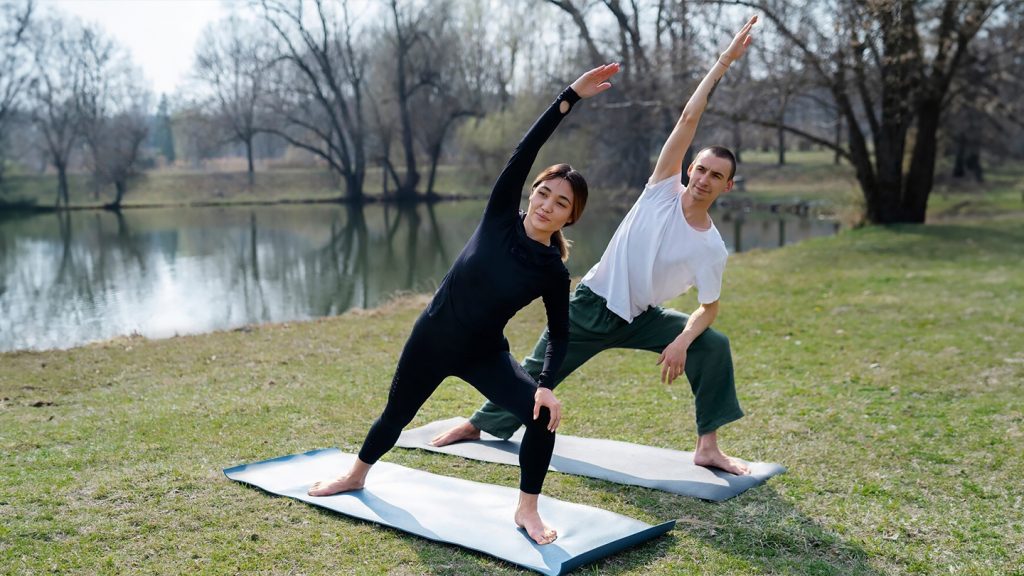
Introduction: Movement as a Conscious Practice
Exercise is often viewed purely through a physical lens—something we do to stay fit, lose weight, or maintain health. However, when we approach movement consciously, it becomes far more than a workout. Regular exercise is a powerful tool for nurturing our consciousness because it harmonizes the mind, body, and soul. Movement allows us to release stored emotions, quiet mental noise, and reconnect with ourselves on a deeper level.
Engaging in regular exercise is not about perfection or performance. It is about presence. When we move with intention, we honor our bodies as living, breathing partners in our personal growth journey.
The Mind–Body Connection: How Movement Affects Consciousness
The mind and body are not separate entities—they are deeply interconnected. Emotional stress, unresolved feelings, and mental overwhelm often manifest physically as tension, fatigue, or discomfort. Movement helps restore balance by allowing energy to flow freely.
Benefits of the Mind–Body Connection:
- Reduces stress and anxiety
- Improves emotional regulation
- Enhances mental clarity and focus
- Strengthens self-awareness
When we move our bodies, we are not just exercising muscles; we are communicating with our nervous system and supporting emotional healing.
Exercise as Emotional Release
Many emotions live quietly in the body when they are not expressed. Exercise provides a safe and natural outlet for emotional release. Activities such as walking, stretching, yoga, or dancing allow emotions to surface and move through us instead of remaining stuck.
How Movement Supports Emotional Health:
- Releases built-up tension
- Helps process stress and frustration
- Improves mood through endorphin release
- Creates a sense of grounding and stability
This emotional release is especially important in conscious living, as suppressed emotions can cloud judgment, reduce self-awareness, and block inner peace.
Choosing the Right Type of Movement
There is no one-size-fits-all approach to exercise. Conscious movement is about choosing activities that resonate with your body and lifestyle. Enjoyment is key—when movement feels good, consistency becomes natural.
Types of Conscious Movement:
- Walking in nature: Calms the mind and connects you with the present moment
- Yoga or stretching: Enhances flexibility, breath awareness, and inner stillness
- Dancing: Encourages self-expression and joy
- Strength or cardio training: Builds confidence, discipline, and resilience
Listening to your body’s needs allows movement to become nourishing rather than draining.
Building Consistency Without Pressure
Consistency is more important than intensity when it comes to exercise. Small, regular efforts create sustainable change and strengthen self-trust. Conscious exercise respects the body’s limits while encouraging growth.
Tips for Maintaining Consistency:
- Start with manageable goals
- Schedule movement into your daily routine
- Focus on how movement makes you feel, not how it looks
- Allow rest days without guilt
When exercise becomes a form of self-care rather than obligation, it becomes easier to maintain.
Mental Benefits of Regular Exercise
Regular physical activity has a profound impact on mental health. Exercise increases blood flow to the brain, improves concentration, and supports emotional resilience. It also helps regulate sleep, which is essential for mental clarity and emotional balance.
Mental Benefits Include:
- Reduced symptoms of anxiety and depression
- Improved focus and decision-making
- Increased self-confidence
- Greater emotional stability
A clear mind supports conscious decision-making and enhances overall well-being.
Exercise as an Act of Self-Love
Choosing to move your body is a powerful act of self-love. It sends a message to your subconscious that your health, energy, and well-being matter. When movement is rooted in self-respect rather than self-criticism, it becomes healing.
Exercise does not need to be intense to be effective. Gentle, consistent movement honors the body and builds a positive relationship with yourself. Over time, this relationship strengthens self-esteem and emotional awareness.
Integrating Movement Into Conscious Living
Conscious living is about alignment—aligning actions with values and intentions. When exercise becomes part of your daily rhythm, it supports balance, discipline, and presence.
Ways to Integrate Movement Mindfully:
- Practice breathing awareness while exercising
- Set an intention before each movement session
- Reflect on how your body feels afterward
- Celebrate progress without comparison
These practices transform exercise into a mindful ritual rather than a task.
Conclusion: Move With Intention, Live With Awareness
Engaging in regular exercise is one of the most effective ways to nurture your consciousness. Movement supports emotional release, mental clarity, and physical vitality. When we treat exercise as a sacred practice rather than a chore, it becomes a pathway to deeper self-connection.
Your body carries you through every experience in life. Honoring it through conscious movement strengthens not only your physical health but also your emotional and spiritual well-being. Move with intention, listen with compassion, and allow exercise to become a source of balance, healing, and inner peace.